Premium Landscape Lighting Solutions
From the raw material supply chain to the production line and finally to product testing, everything is executed flawlessly according to standards, ensuring unparalleled control over product quality. We provide reliable outdoor lighting products for outdoor landscape projects and outdoor lighting purchasers worldwide.
Production Stability & Supply Resilience
Advanced Machining Infrastructure
Equipped with multi-axis CNC machines and streamlined processing lines, our workshop maintains high-volume output while easily accommodating peak-season demand surges.
Standardized SOPs & Yield Stability
Strict SOP standard operating procedures combined with automated precision control minimize human error and ensure high yield and continuous operation of the production process.
Supply Chain & Raw Material Reserves
We establish long-term partnerships with high-quality raw material and core component suppliers, and coordinate strategic raw material reserves to ensure that your orders are not affected by market shortages or price fluctuations.
Predictable Lead Times & Timely Delivery
Real-time scheduling and digital production traceability systems ensure predictable project schedules, enabling projects to be delivered on time within a controllable range and avoiding delays in project progress.
Outdoor Lighting Quality Control Beyond Visual Inspection
Reliable outdoor lighting requires more than an attractive housing and a high IP rating on the specification sheet.Veilumen coordinates product testing and quality reviews around photometric performance, corrosion resistance, waterproof construction, UV exposure, and mechanical strength.
These checks help B2B buyers identify potential risks in light quality, materials, sealing, cables, mounting components, and long-term outdoor use before products reach the project site.


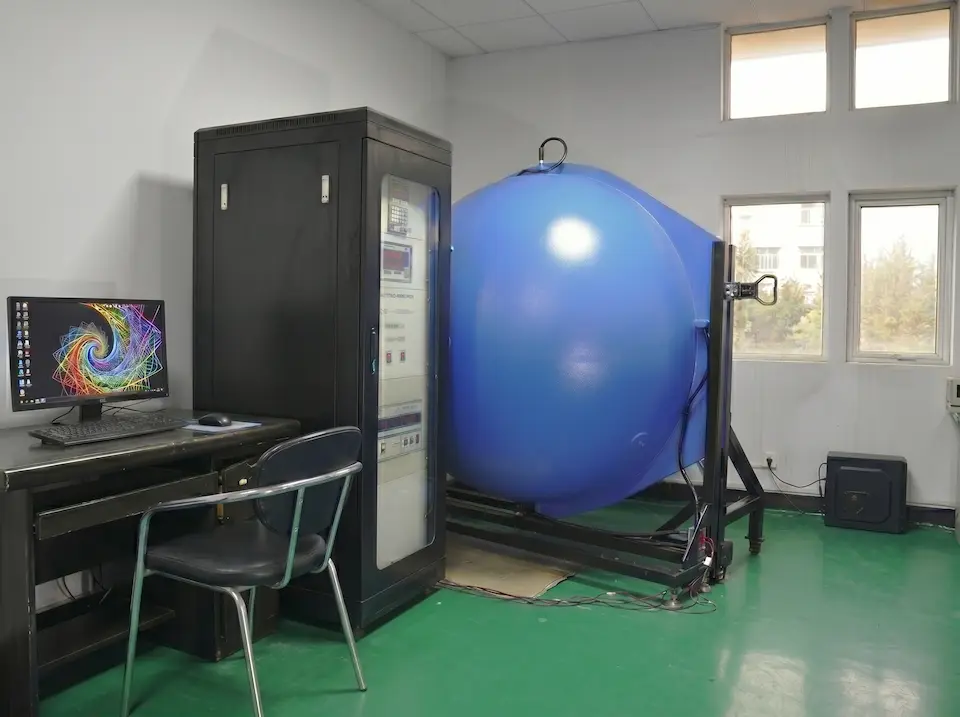
Photometric & Color Performance Testing
Integrating sphere testing helps evaluate the actual optical and electrical performance of a complete outdoor luminaire, including rated luminous flux, system wattage, luminous efficacy, color temperature, CRI, and color consistency. Veilumen reviews available photometric test data against the selected product configuration, helping buyers avoid misleading lumen claims and confirm that garden and landscape lighting products deliver more consistent light quality across samples and production batches.


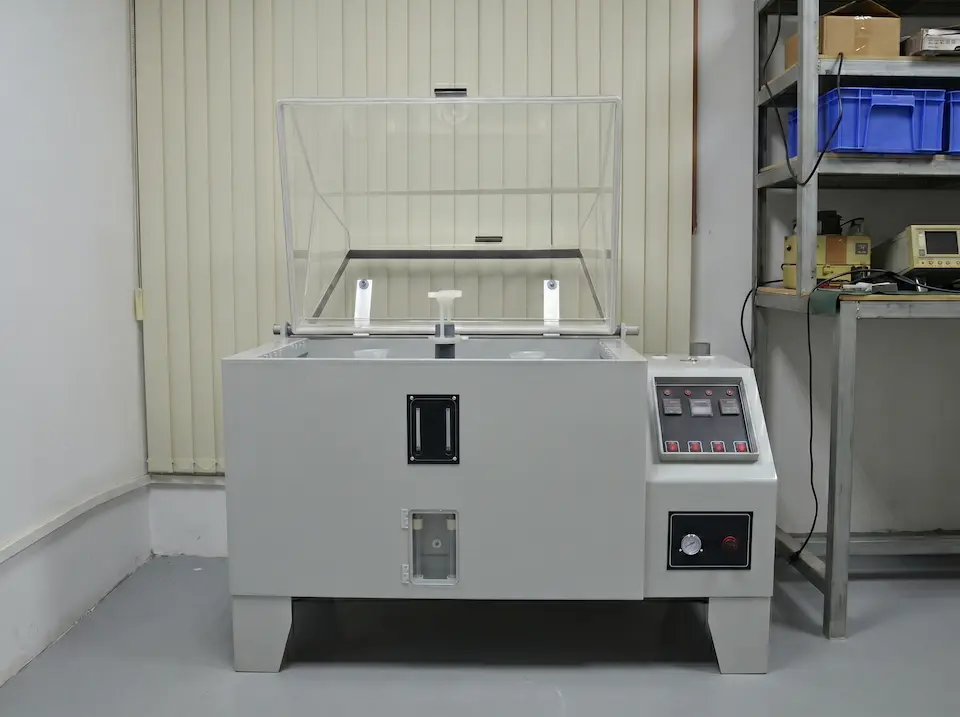
Salt Spray & Corrosion Resistance Testing
Corrosion resistance is not solely determined by the nominal number of hours of salt spray testing. For outdoor garden lighting products, we consider not only their materials and surface treatment systems—including the metal substrate, pretreatment processes, powder-coated or anodized surfaces, coating coverage around edges and screw holes, stainless steel fasteners, brackets, and exposed cut surfaces—but also the salt spray concentration and duration at which the product is tested to ensure the material’s lifespan is truly optimal.


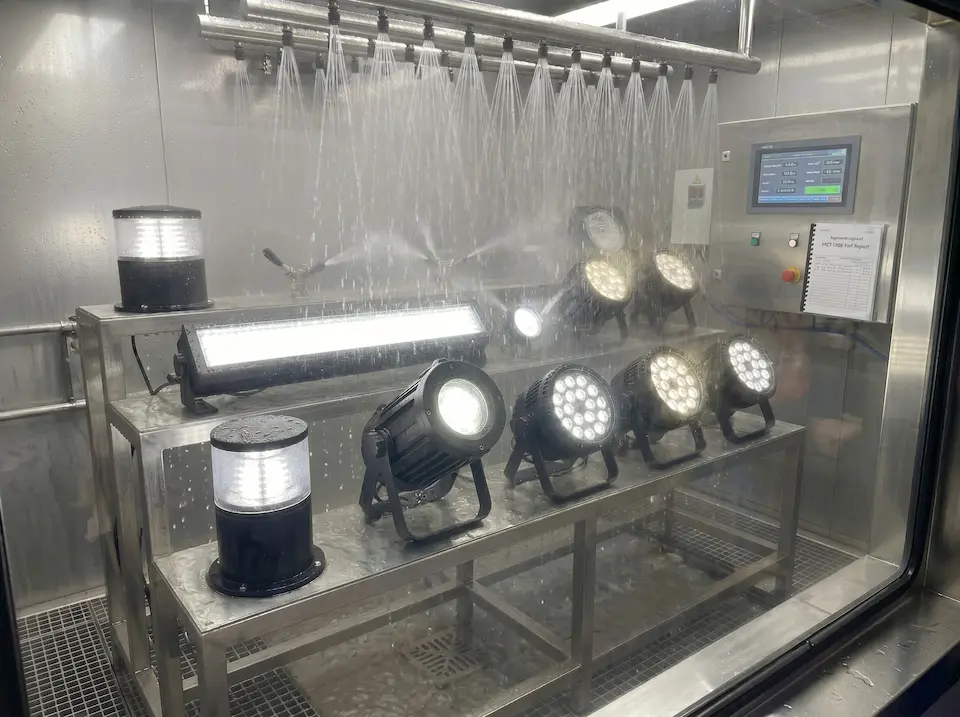
Whole-Luminaire Waterproof Testing & Sealing Review
An IP65 or IP67 protection rating is only meaningful if it applies to the complete luminaire, the correct product configuration, and the intended installation location. Our waterproofing quality audits examine common water ingress pathways, including glass compression, gasket materials and fits, housing seams, bolt holes, cable exits, cable joints, waterproof connectors, and protection of drivers or junction boxes. For recessed floor lights and other surface-mounted luminaires in special environments, we audit drainage layers, recessed housings, cable connections, installation orientation, and condensation risks separately, as a high IP protection rating cannot replace proper installation and on-site drainage.


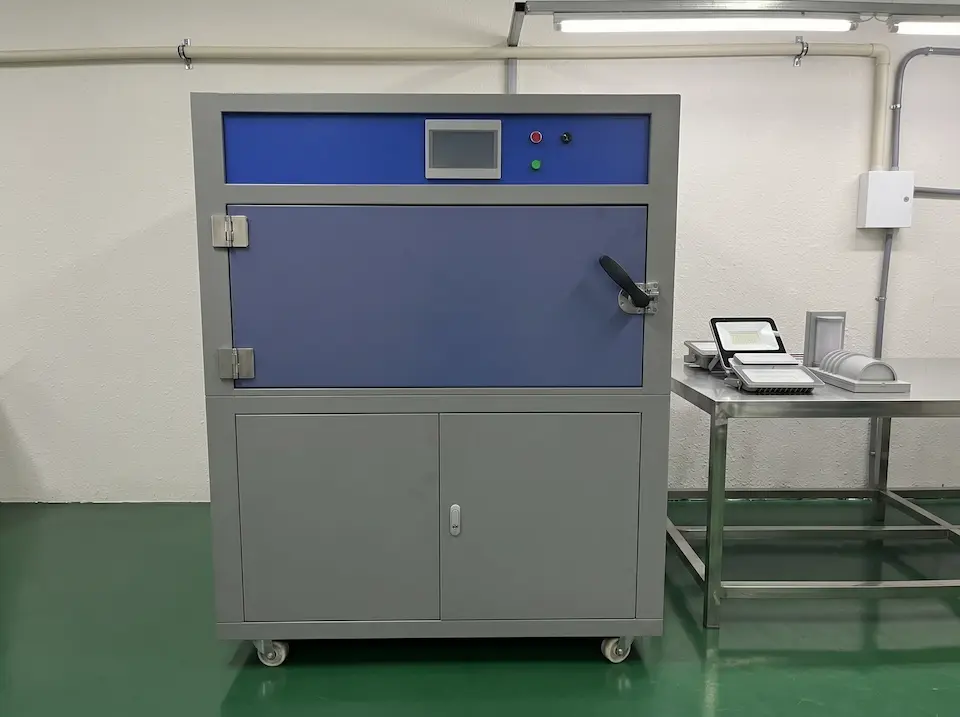
UV Aging & Weather Resistance Testing
Continuous sunlight can cause fading, yellowing, cracking, brittleness, and deterioration in coatings, plastics, lenses, cables, and sealing materials. UV aging testing provides a controlled method for evaluating how selected materials respond to prolonged ultraviolet exposure. Combined with material and surface-finish review, it helps identify potential durability risks for outdoor landscape lights installed in gardens, villas, resorts, hospitality spaces, and commercial projects.


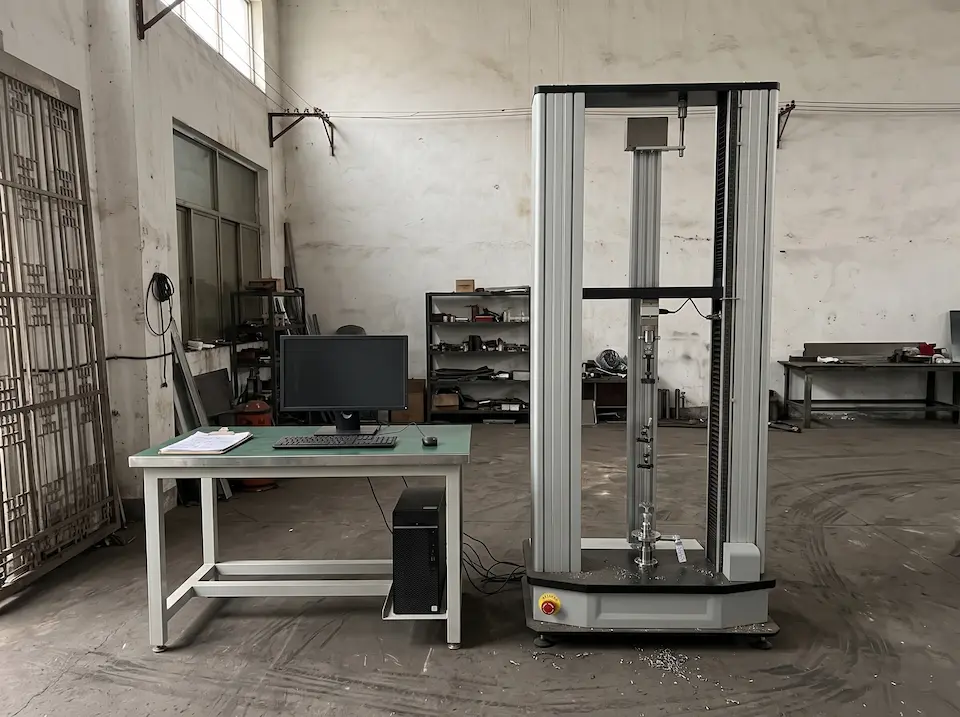
Pull-Force Testing & Mechanical Connection Review
Mechanical reliability typically depends on the details of the connections, not just the visible strength of the housing. Veilumen conducts multi-dimensional testing, including examining individual components, the entire lamp under stress, and the stress performance of different materials, to ensure the buyer’s order matches the product. This helps identify potential risks during installation, transportation, maintenance, or long-term outdoor use, such as cable misalignment, loose electrical connections, failure of waterproof seals, bracket deformation, and component separation.
Stat name here
Stat name here
Stat name here
How To Solve
High-Low Temperature & Thermal Shock
Common Causes of Failure
Thermal expansion, driver overheating, different expansion rates between glass and metal, and gasket deformation
Design and Material Solutions
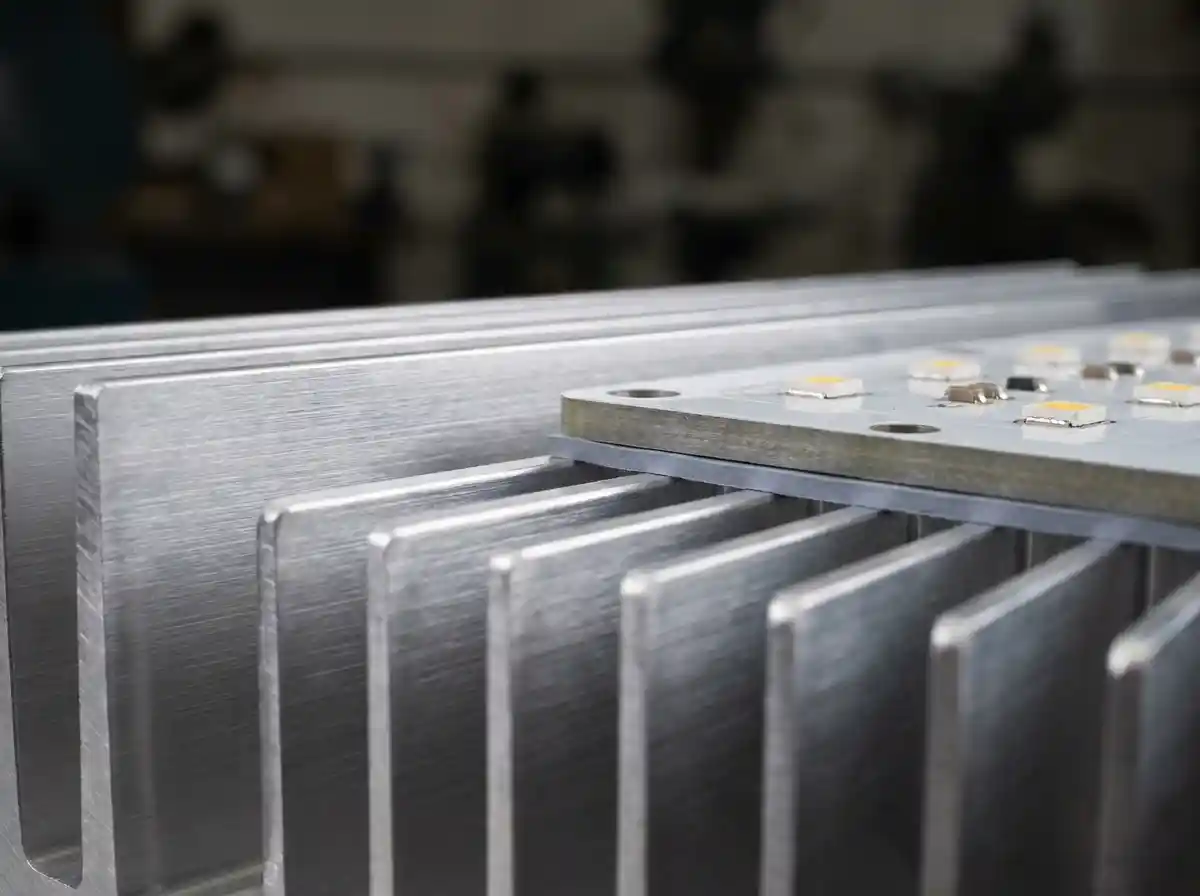
Create a complete thermal path from the LED module to the housing; use aluminum housings, metal-core PCBs and thermal interface materials; allow for material expansion; avoid increasing wattage without improving heat dissipation.
Production Controls
Control the position and thickness of thermal grease or pads; inspect PCB contact; standardize screw torque; conduct aging and temperature-rise checks.


Housing Corrosion
Common Causes of Failure
Exposed metal, inadequate pretreatment, insufficient coating thickness, poor edge coverage and galvanic corrosion
Design and Material Solutions
Select suitable aluminum, stainless steel or brass; use outdoor-grade powder coating or anodizing; specify suitable fasteners; isolate incompatible metals; design drainage to prevent trapped water
Production Controls
Degrease, clean and pretreat before coating; control coating thickness and curing; inspect edges, holes and cut surfaces; prevent coating damage during assembly


Direct Water Ingress
Common Causes of Failure
Insufficient gasket compression, uneven glass pressure, leaking joints, screw holes or cable entries
Design and Material Solutions
Use continuous gasket channels, weather-resistant silicone or EPDM seals, waterproof cable glands and connectors; apply double sealing or potting in high-risk areas
Production Controls
Keep sealing surfaces clean; prevent twisted or damaged gaskets; control screw sequence and torque; manage adhesive and potting position, quantity and curing


Comparison Before and After Processing
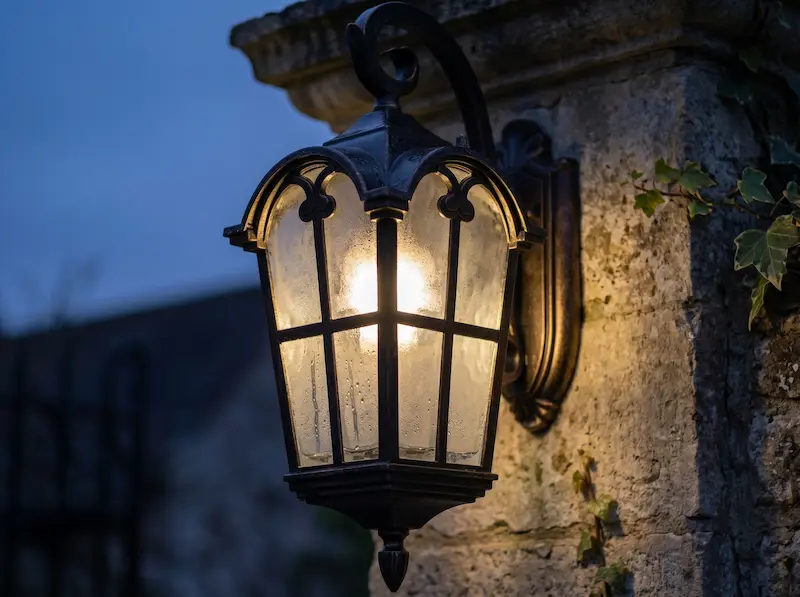

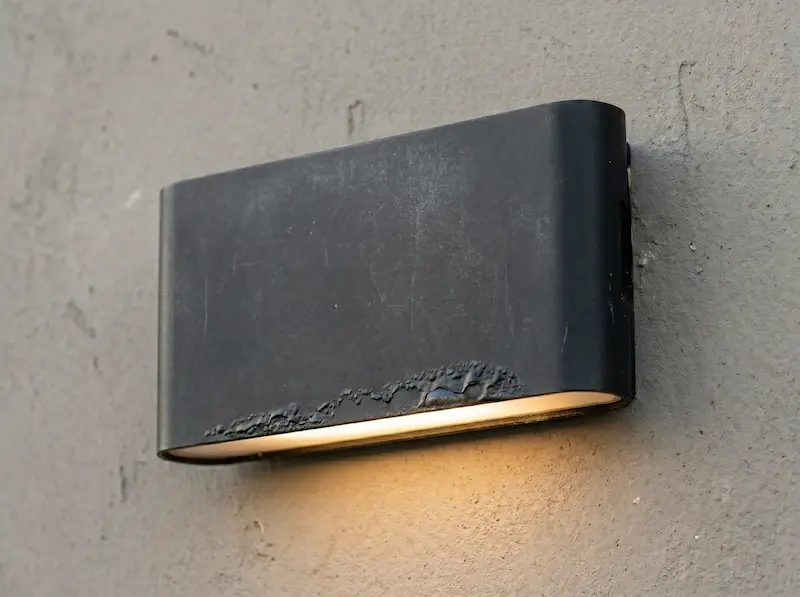
Before high and low temperature and thermal shock tests
After the lights are turned off, the internal air gradually cools and contracts, causing a drop in internal pressure. At this time, humid air from outside may be drawn in through tiny gaps.
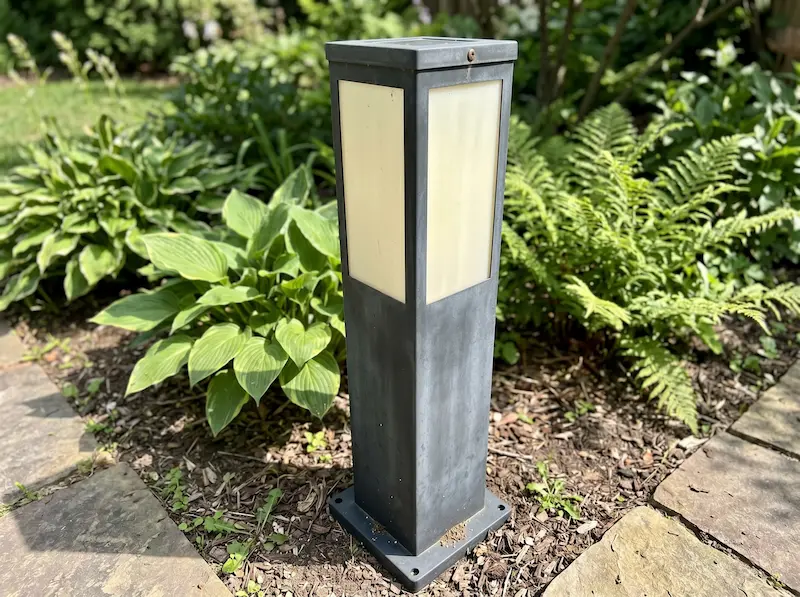

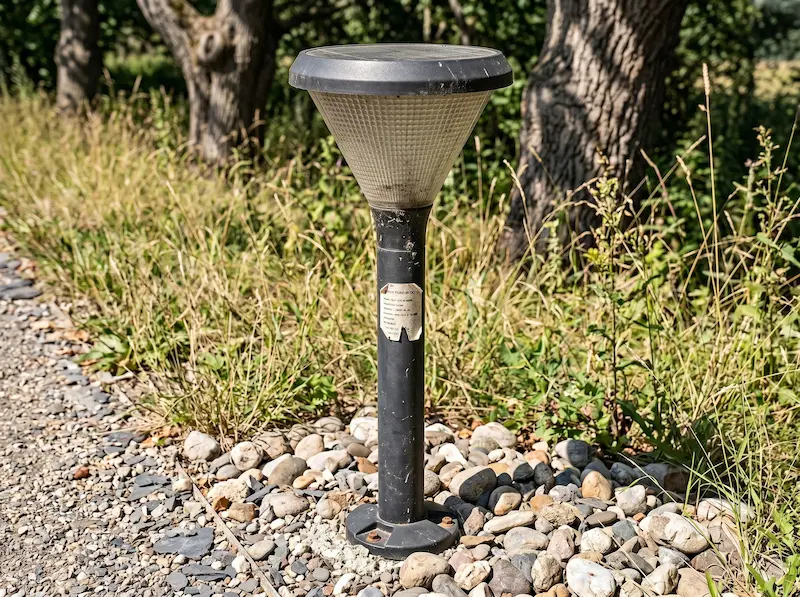
Before UV aging test
Outdoor lighting fixtures inevitably experience prolonged exposure to the sun’s ultraviolet rays. Over time, the outer casing may become powdery, brittle, and cracked due to the radiation.

Before salt spray test
Acid rain and chloride ions are both disasters for outdoor lighting fixtures. The outdoor environment is inevitably filled with these elements that the fixture casings fear. Long-term exposure to these harmful elements will corrode all connections and the casing.

Before 1K Collision Avoidance Test
Outdoor lighting fixtures can also be damaged by accidents, such as equipment collisions, pedestrian impacts, and vandalism. Impact damage can cause screws to loosen, compromising the overall airtightness of the fixture and leading to the failure of waterproofing, dustproofing, and other functions, thus accelerating aging.
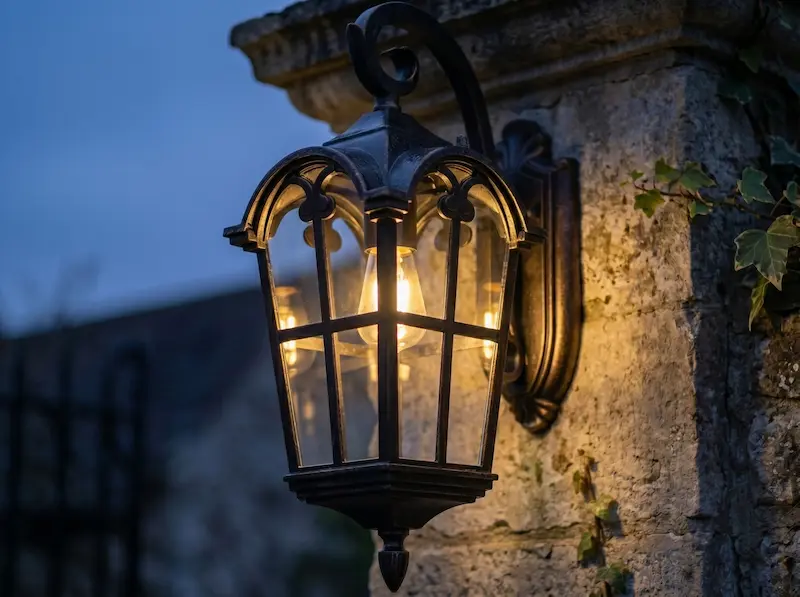

After high and low temperature and thermal shock tests
The issues of nighttime temperature drops, exposure to cold rain, and frequent switching of lights improved after high and low temperature shock testing.
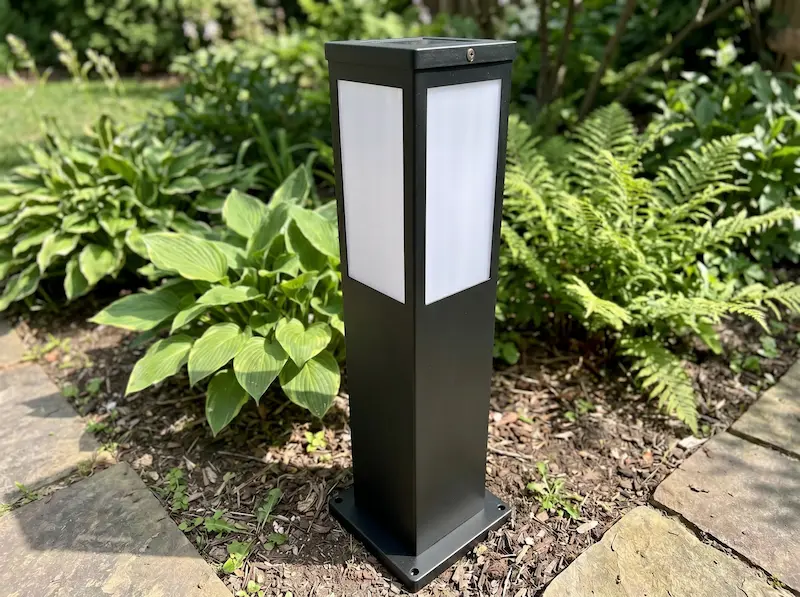

After UV aging test
Verify that the test materials, exposure time, cycling conditions, and judgment criteria are consistent with the actual product. Outdoor lighting fixtures that pass the UV test will meet the lifespan standards for qualified products.
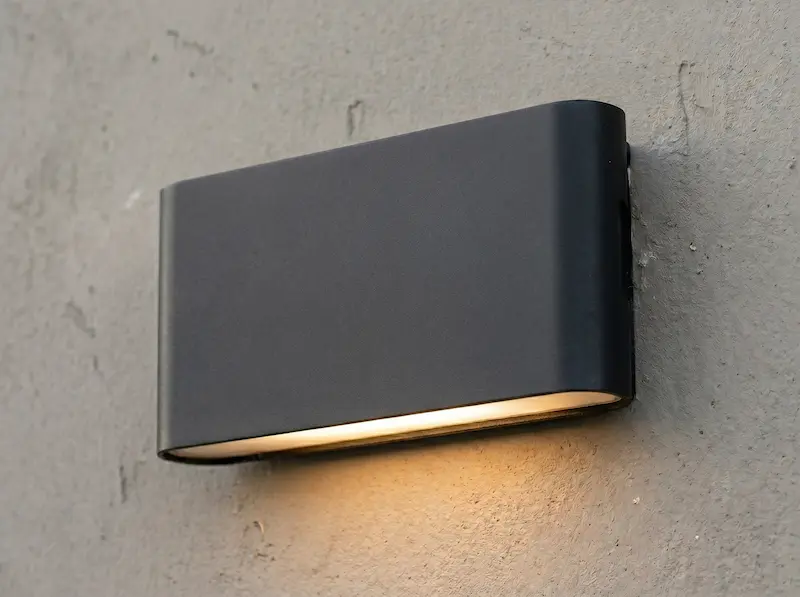

After salt spray test
The salt spray test we are talking about actually involves evaluation of factors such as pre-test time, concentration, test time, and assembly structure system. Only by following the standard salt spray test can a balance be achieved between cost-effectiveness and lifespan.
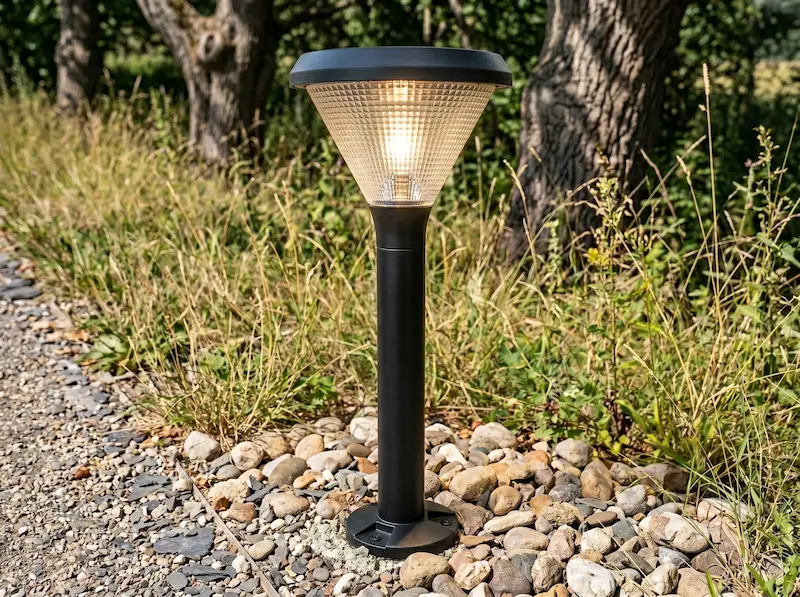

After 1K Collision Avoidance Test
Impact testing not only checks for dents in the casing, but also, while an impact may not immediately stop the light fixture from working, it can cause glass cracks, misalignment of seals, or deformation of seams. Only light fixtures that pass this test are truly meaningful for outdoor applications.
Outdoor Lighting Service Life Risk Comparison
| Test / Review Area | Outdoor Risk Simulated | Main Components Evaluated | Potential Service-Life Problems | What It Can Demonstrate | What It Cannot Prove |
|---|---|---|---|---|---|
| High-Low Temperature & Thermal Shock | Day-night temperature changes, seasonal weather, operating heat and sudden cooling | LED modules, drivers, glass, housing joints and gaskets | Accelerated lumen depreciation, driver instability, cracking, seal deformation and condensation | Stability under defined temperature ranges and test cycles | Exact outdoor service life in years |
| Waterproof & IP Testing | Dust, rain, water jets or temporary immersion under defined conditions | Glass joints, gaskets, screw holes, cable entries and connectors | Water ingress, short circuits, corrosion, insulation failure and driver damage | Enclosure protection of the tested product configuration | Permanent immersion resistance or correct site drainage |
| Condensation & Pressure Review | Temperature cycles, internal pressure changes and humid-air entry | Internal chamber, vents, seals and cable entries | Fogging, water droplets, terminal corrosion and optical contamination | How the construction manages pressure and moisture risks | Complete elimination of condensation in every environment |
| UV Aging Testing | Prolonged sunlight, ultraviolet exposure and moisture cycles | Coatings, PC/PMMA lenses, diffusers, gaskets and cable jackets | Fading, yellowing, chalking, cracking, brittleness and reduced light transmission | Material performance under defined UV exposure conditions | A direct conversion from test hours to outdoor years |
| Salt Spray & Corrosion Testing | Coastal air, poolside environments, humidity and pollutants | Metal substrates, coatings, cut edges, screws, brackets and connectors | Rust, coating blistering, peeling, fastener failure and structural deterioration | Corrosion weaknesses in the material and surface-treatment system | Exact corrosion-free service life in a real project |
| 1K Impact Testing | Accidental impact, tools, maintenance equipment, stones or vandalism | Glass, housing, faceplate, brackets and mounting base | Cracked glass, housing deformation, displaced seals and exposed electrical parts | Mechanical protection against a defined impact energy | Static load capacity or vehicle-overrun resistance |
| Pull-Force & Connection Testing | Installation stress, cable pulling, transportation and component loading | Cable anchorage, cable glands, connectors, brackets and fasteners | Loose cables, failed connections, damaged seals and component separation | Mechanical reliability of specified connections under defined loads | Overall impact resistance or strength in every loading direction |
| Lumen Maintenance & Optical Testing | Aging of LEDs, phosphors and optical materials | LED modules, lenses, diffusers and reflectors | Reduced lumen output, color shift and inconsistent light quality | Changes in light output and color under specified test conditions | Complete luminaire life based only on LED package data |
| Driver & Electrical Testing | Voltage fluctuations, surge events, heat and prolonged operation | LED drivers, capacitors, terminals and protection circuits | Flicker, startup failure, unstable output and complete light failure | Electrical stability under defined operating conditions | Driver life based only on the projected LED lifetime |

