CCT, CRI & Color Consistency
This process combines LED specification, bin selection, constant-current configuration, sample matching, and photometric measurement. LEDs are selected within defined CCT, CRI, chromaticity, lumen, and SDCM ranges. The assembled luminaire is then measured using integrating-sphere and spectrometer equipment, with production batches compared against the approved sample and locked specification.
Finish, Coating & Material Protection
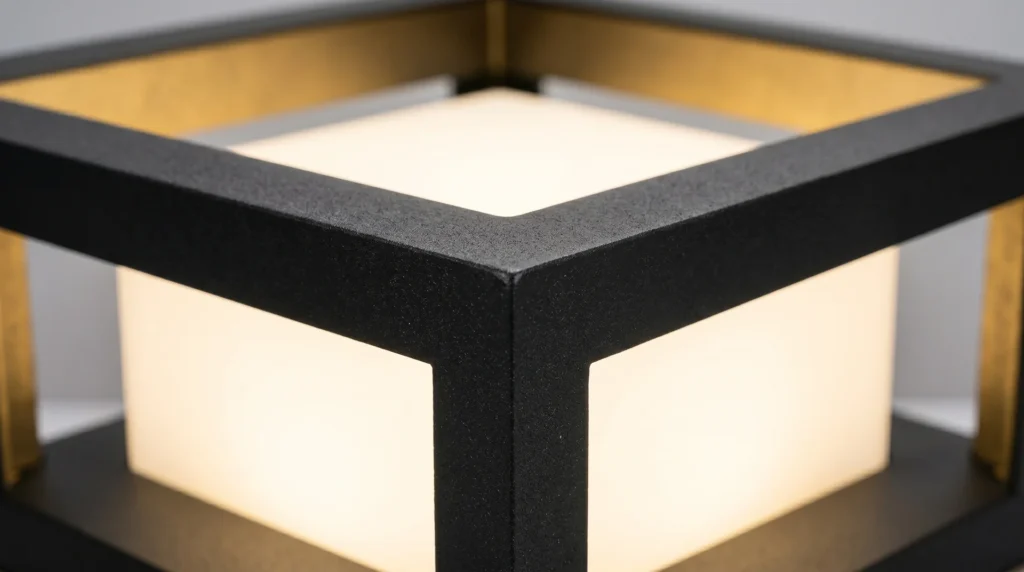
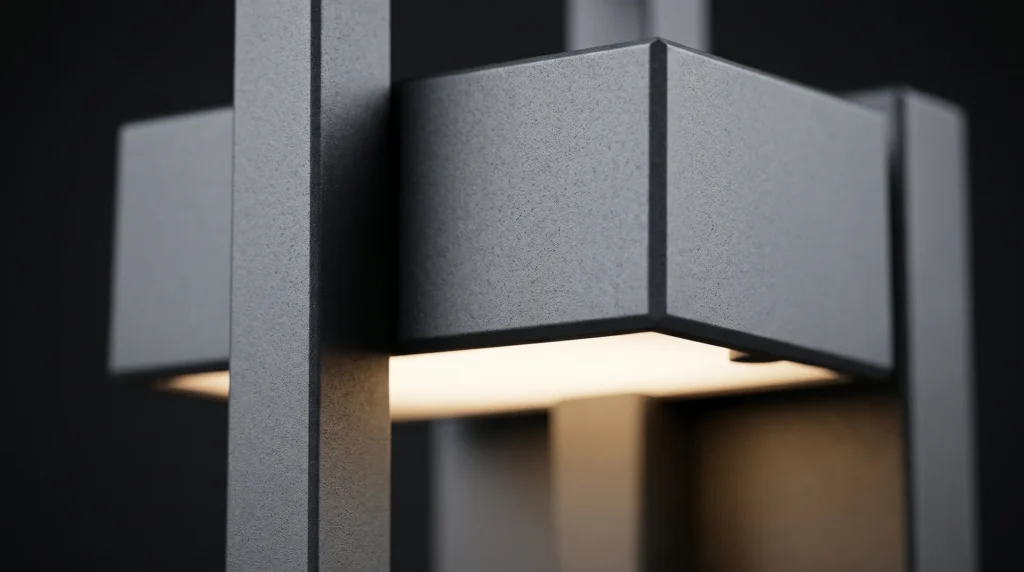
Surface-finishing processes begin with selecting the appropriate metal substrate, followed by degreasing, cleaning, surface preparation, and chemical pretreatment. Depending on the material and application, the housing may then receive powder coating, anodizing, plating, or another protective finish. Coating thickness, curing conditions, adhesion, edge coverage, screw holes, fasteners, and exposed cut surfaces are checked as part of the process.
Housing, Thermal Design & Mounting
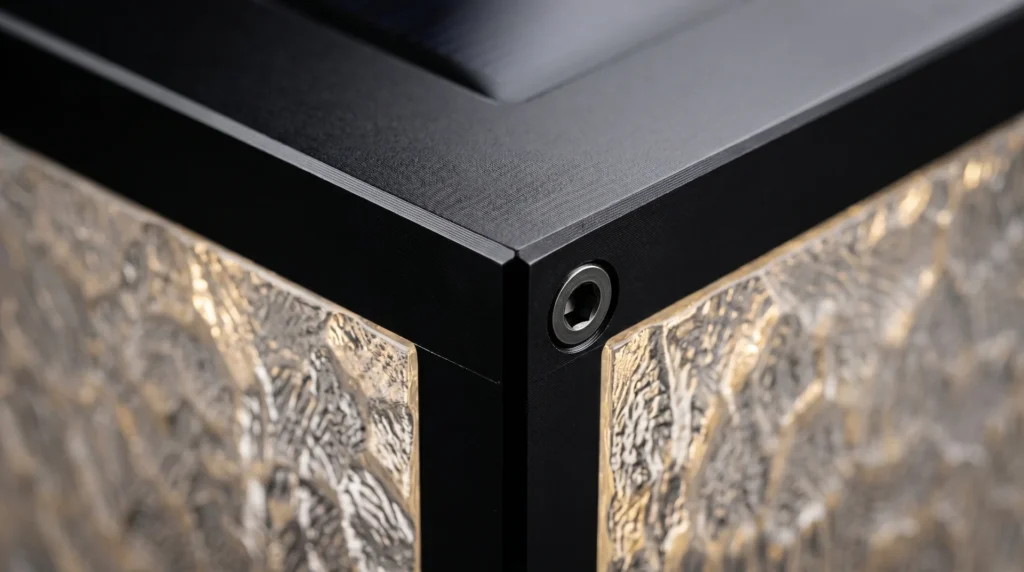
Housing production may involve aluminum die casting, extrusion, CNC machining, drilling, forming, and precision assembly. Thermal management is created by connecting the LED board to the housing through metal-core PCBs, thermal pads or compounds, suitable contact surfaces, and sufficient external heat-dissipation area. Brackets, stakes, recessed housings, shielding, cable exits, and fixing points are then configured for the intended installation method.
Sealing & Pressure Management
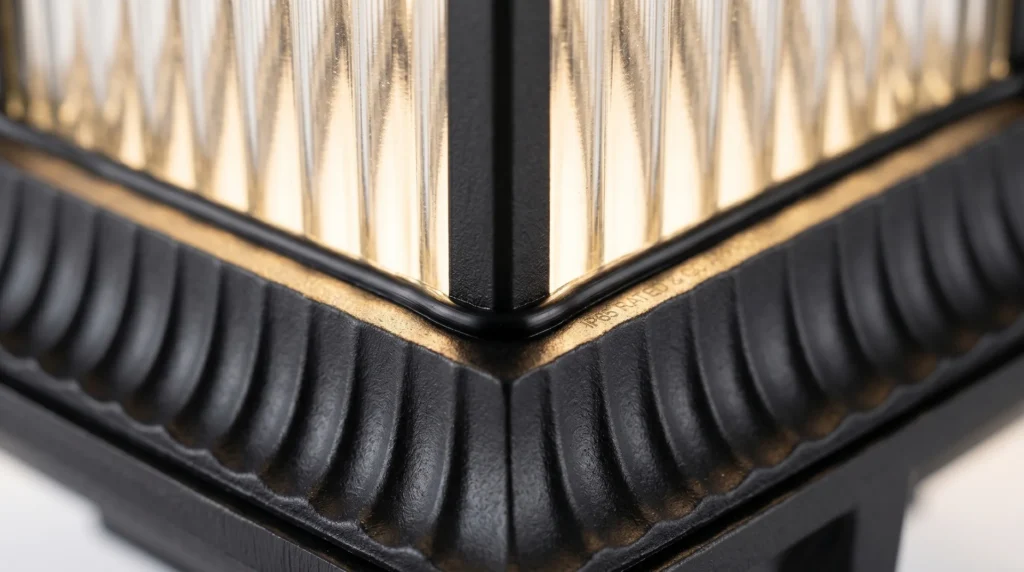
Sealing production combines accurately formed gasket grooves, weather-resistant gaskets, controlled glass compression, adhesive dispensing, potting, waterproof cable glands, and defined screw-tightening sequences. Where required, a waterproof breathable membrane is incorporated to equalize pressure while resisting liquid-water entry. Components are kept dry during assembly, adhesives are fully cured, and drainage paths are considered for recessed or moisture-prone installations.
Driver, Voltage & Dimming
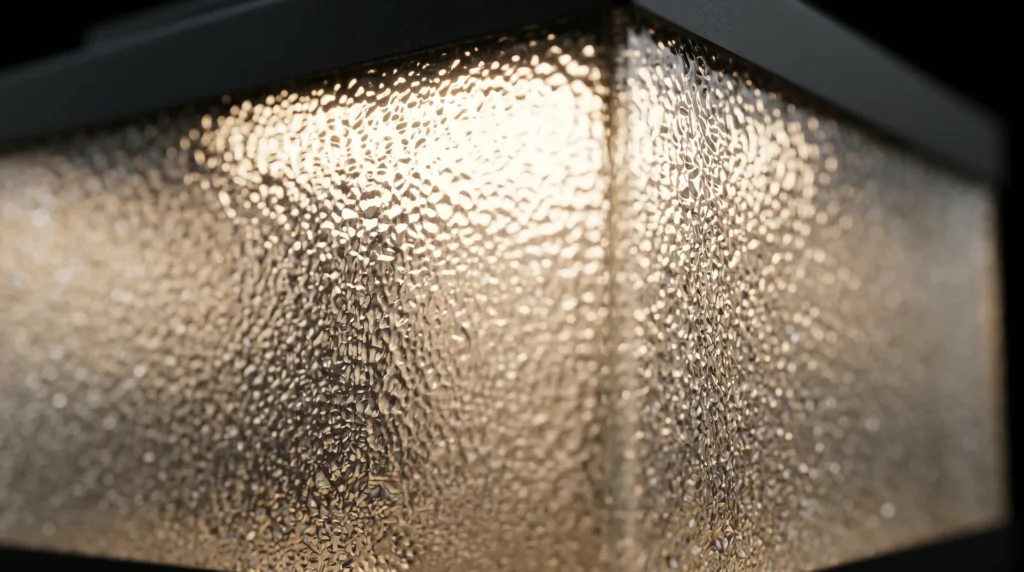
Electrical configuration begins by matching the LED load with a suitable constant-current or constant-voltage driver. The driver is selected or configured according to input voltage, output current, power margin, power factor, surge protection, thermal protection, and the required dimming protocol. The assembled system is then checked with the intended controller through startup, switching, dimming-range, flicker, temperature-rise, and operating-aging tests.
Cable, Connector & Mechanical Retention
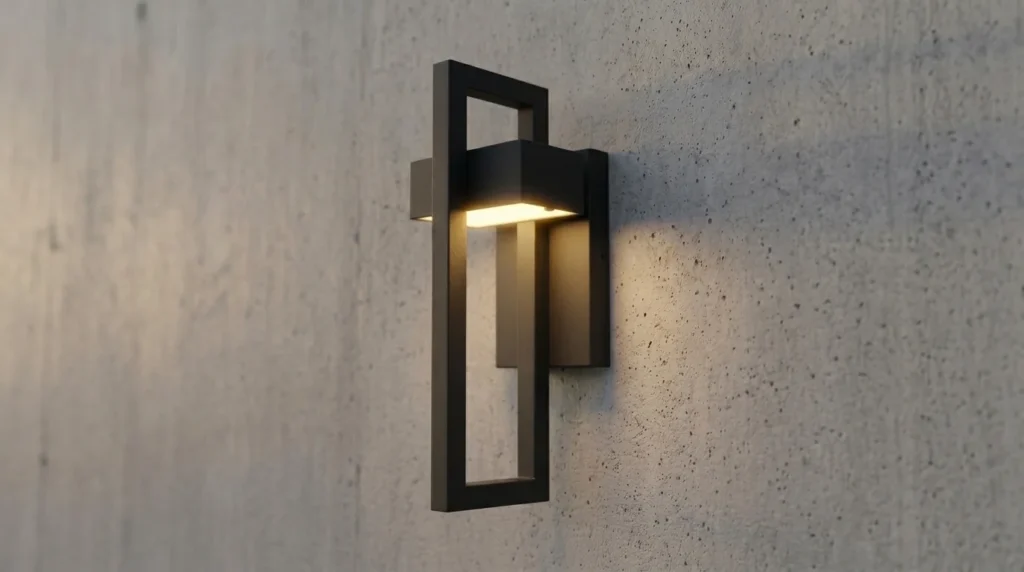
Cable and connection processing includes cable selection, length cutting, jacket stripping, terminal crimping, connector assembly, cable-gland tightening, strain-relief installation, and bracket fastening. Cable size and jacket material are selected according to current load, wiring distance, UV exposure, temperature, and installation environment. Pull-force, continuity, insulation, connection-retention, and assembly checks are used to verify the finished connection.
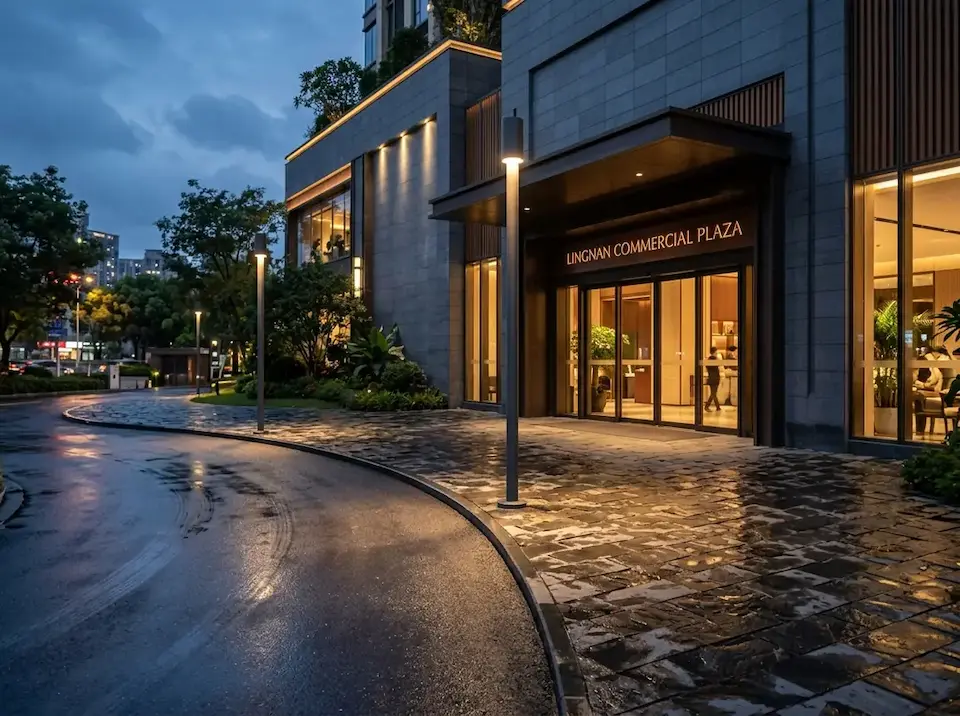
Paths & Walkways
Path lighting must provide visual guidance while avoiding excessively bright light directly illuminating pedestrians’ fields of vision. This requires coordinating glare control, color temperature, lamp post height, casing surface treatment, ground mounting methods, and cable layout.
Beyond aesthetic customization, safety must also be considered: path width and lamp spacing are closely related to the angle of illumination, and the road surface color should contrast with the light color. The goal is to create clearer pedestrian routes while controlling brightness and minimizing unnecessary light spill.
Trees, Planting & Sculptures
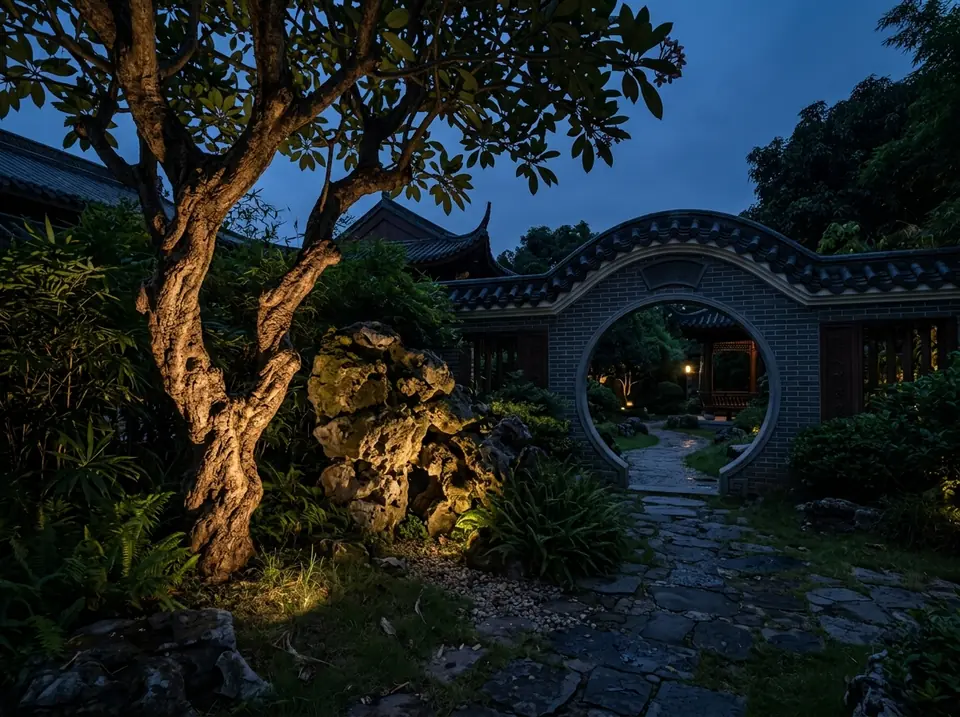
Landscape accent lighting depends on the harmony between the landscape and its surroundings. This includes tree trunks, canopies, plant textures, sculptures, and the overall landscape. Tree height, canopy width, luminaire spacing, direction of illumination, and pedestrian viewing angles all influence the desired lighting.
By adjusting narrow, medium, wide, or asymmetrical beams, color temperature (CCT), color rendering index (CRI), shades, adjustable mounting methods, ground outlets, surface treatments, and cable routing, the angle, distance, and intensity of the light can be controlled, allowing decorative lighting to harmonize more effectively with the environment.
Walls, Facades & Columns
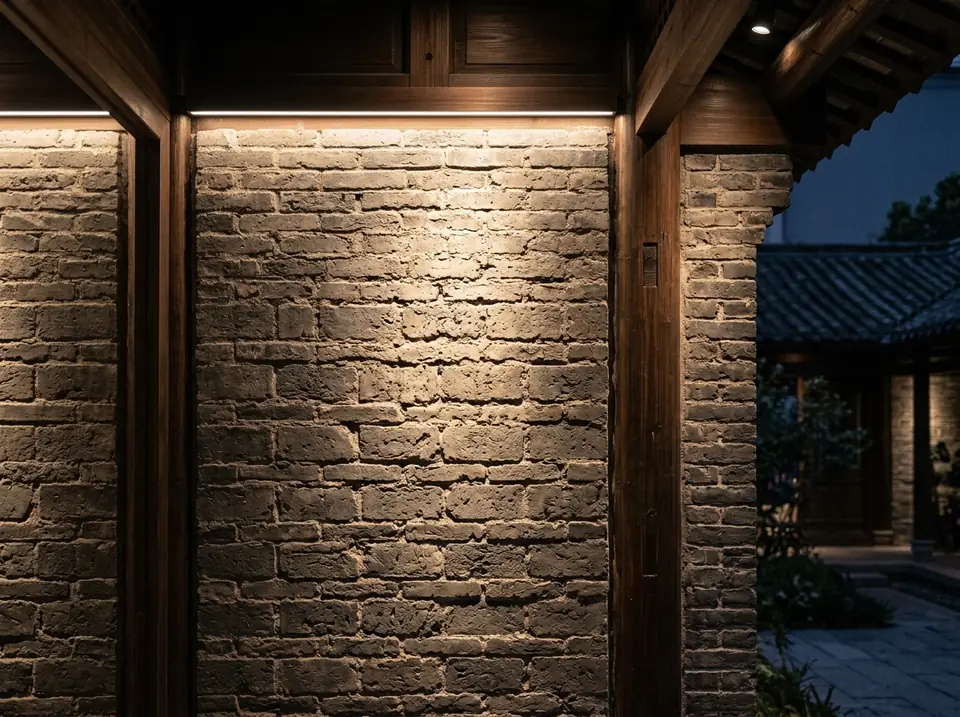
Building surfaces may require wall washing, vertical lighting, or accent lighting. The light output design of the luminaires is determined by factors such as wall texture, light offset, luminaire installation height, and the wall’s illumination ratio.
For example, adjusting the reflector cups of optical elements, the depth/height of the light shield, housing dimensions, surface coating color, mounting plate arm length, cable outlet concealment in the cable tray, driver configuration channel number, and dimming control protocol can support the desired architectural lighting effect.
Steps, Decks & Level Changes
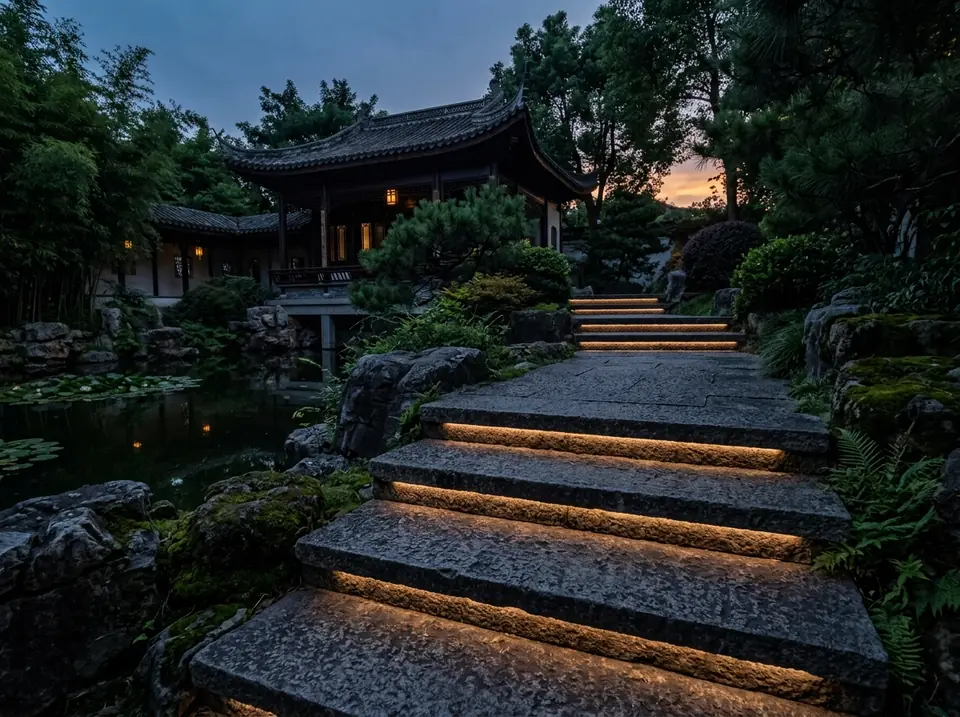
The lighting for steps and platforms aims to clearly delineate the edges and height differences of the steps, while avoiding glare that could interfere with night vision, prioritizing both aesthetics and safety. Asymmetric optical elements are used to assist in evenly spreading light across the tread surface.
Low glare diffusion configurations reduce LED graininess and eliminate glare from high-brightness surfaces. Custom-designed recessed housings or embedded parts accommodate steps or walls of varying depths, preventing damage to walls or skirting boards. Custom-designed wiring with potting compound and anti-pull-out breather valves address short circuits caused by damp environments such as when washing floors.
Entrances, Gates & Boundaries
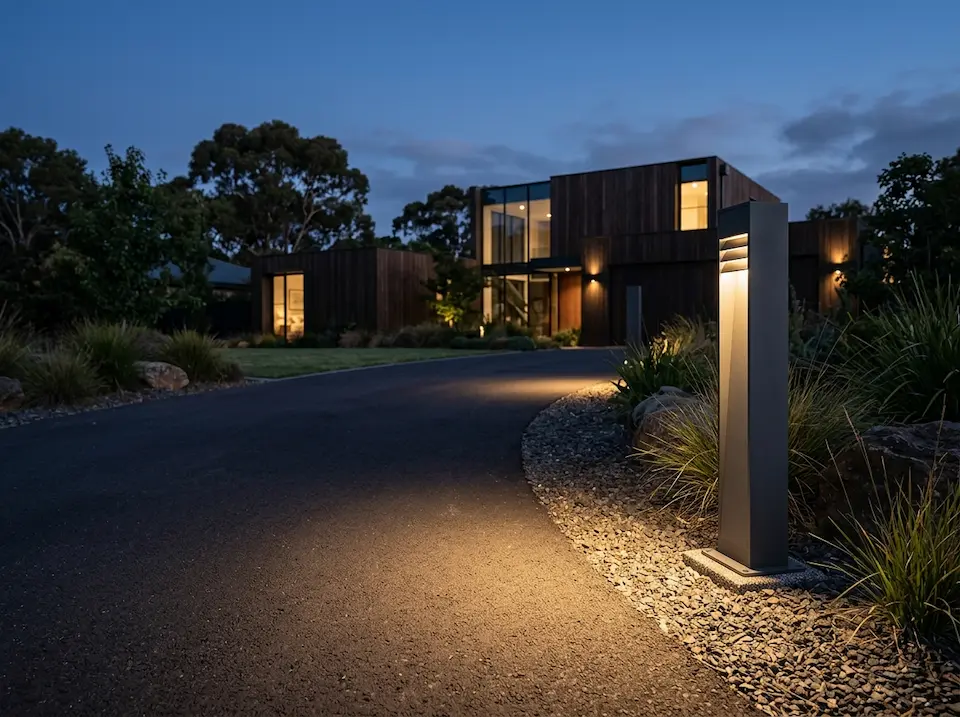
Using rectangular or elliptical optics to stretch the beam and extend the light along the road improves light utilization. Adding anti-glare grilles to the fixtures suppresses high-angle direct light, preventing glare for pedestrians or drivers and improving visual comfort.
Custom-colored or corrosion-resistant fluorocarbon coatings on the finishes protect against UV damage while maintaining an aesthetically pleasing appearance. Thickened steel flange bases can also be selected to enhance the wind resistance of posts or entrance lights, improving mechanical safety.
Pergolas, Canopies & Outdoor Dining
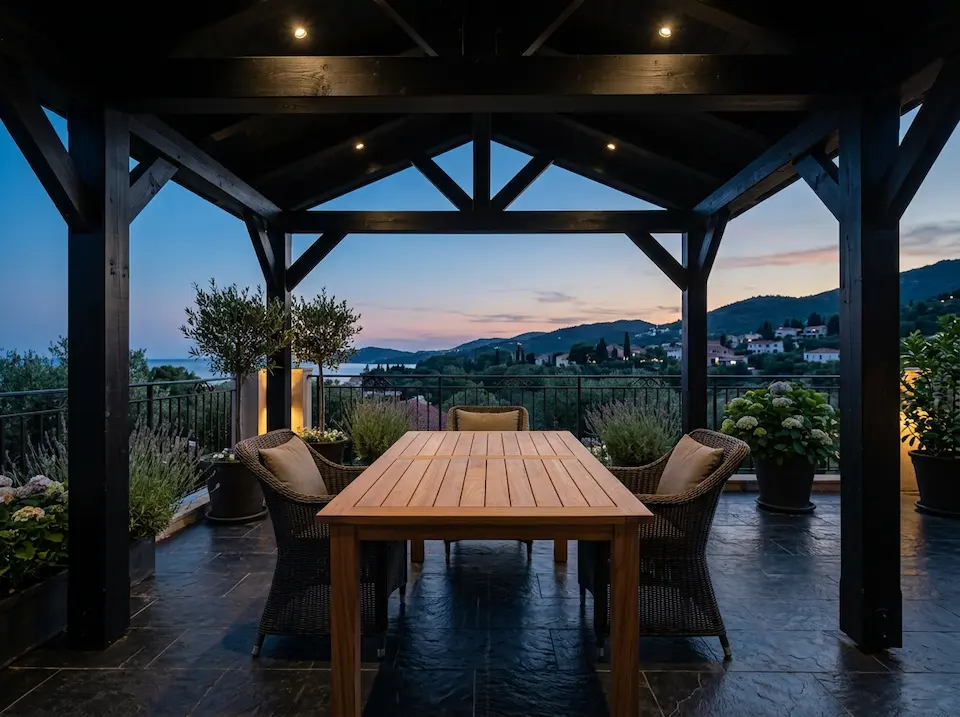
Lighting for pergolas, terraces, awnings, and outdoor dining areas should balance ambiance and practicality. Since pendant light directly impacts the human eye, adjusting the adhesive and phosphor ratios during chip encapsulation, and selecting warm color temperatures and high color rendering indices are particularly important.
Deeply concealed shades or anti-glare mesh further reduce the problem of glare from strong light. Based on the actual scene appearance, use fluorocarbon coatings and color charts to ensure the luminaire finish matches the ceiling environment. For environments requiring flexible adjustment of light intensity, high-frequency flicker-free dimming drivers can be used to create various atmospheres.